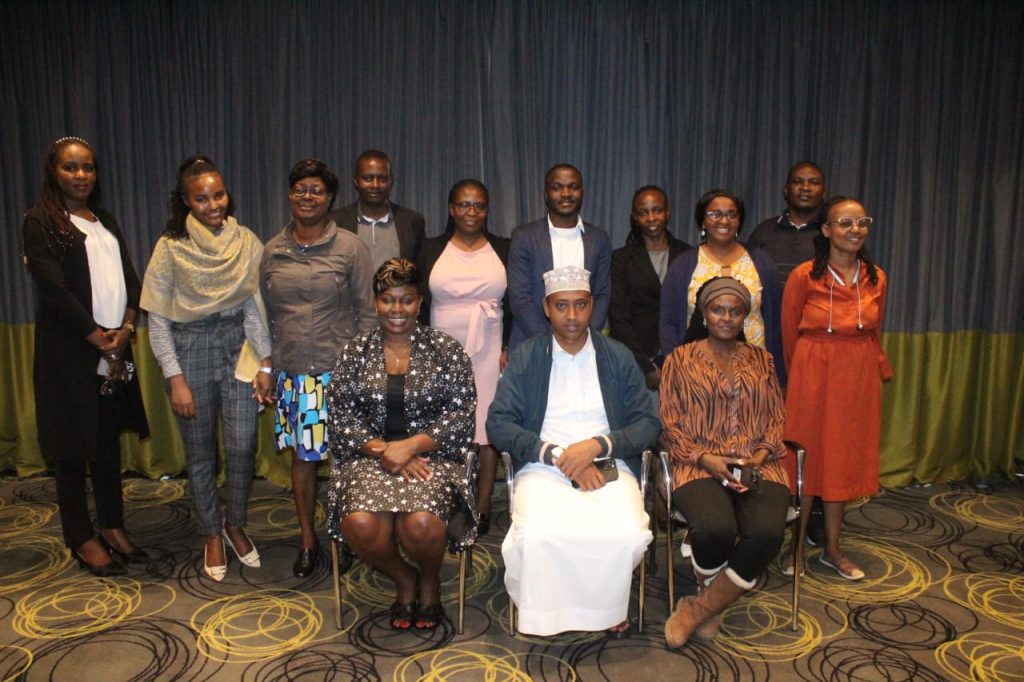
On September 5 & 6, 2024, the African Centre for Parliamentary Affairs- ACEPA and the Parliamentary Centre implementing the Inclusive Legislatures for Gender Responsive Policies (ILGRP) project conducted a workshop in Kenya by the Kenya team with the Secretariat Staff for the Committee on Environment, Forestry, and Mining. This was to enhance the capacity of Committee Staff to support Members in engendering relevant Laws to mitigate gender inequalities related to Climate Change.
The workshop focused on understanding gender and climate change terminology, leveraging gender data in policy and decision-making, and Kenya’s dedication to gender equality in climate change. Furthermore, the sessions encompassed gender considerations in climate change-induced Loss and Damage, carbon trading, and markets. Through the utilization of gender-based analysis tools, the participants discerned gender gaps in current climate change legislation.
The interactive sessions enabled participants to identify emerging opportunities in climate change, carbon credit, loss, and damage for Kenya. This activity was implemented with support from Global Affairs Canada / Affaires mondiales Canada.