
30
MarBy Issifu Lampo, Senior Governance Advisor, ACEPA Introduction Lawmaking is one of the most important responsibilities of Parliament. The laws passed by Parliament determine how the country is governed, how public resources are used, and how citizens experience government policies. In Ghana, however, many laws have historically been passed with limited assessment of their real impact on […]
02
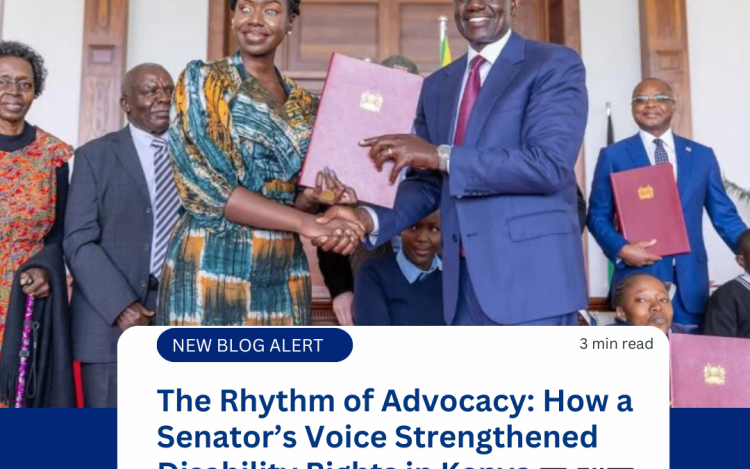
MarSenator Crystal Asige’s story starts in her childhood home in Mombasa, Kenya, where, only in her twenties, she gradually lost her sight to Glaucoma. In its place, she found her voice. For more than a decade, Crystal used her talents as a singer, songwriter, and music producer to champion the rights of persons with disabilities (PWDs) see redemption song.[…]
03
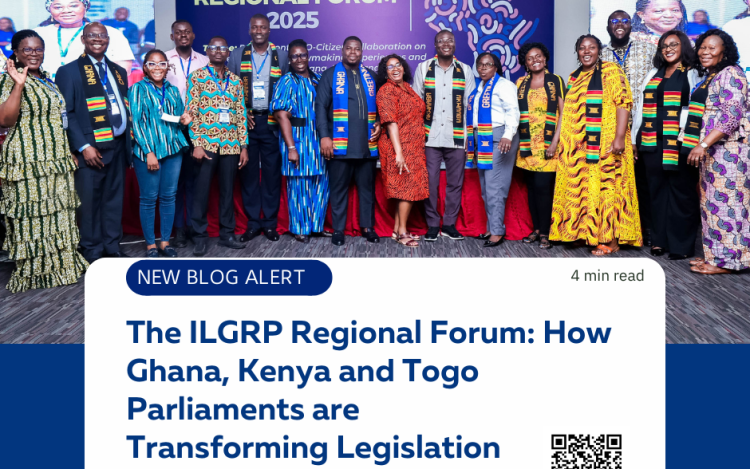
FebThe November 2025 Inclusive Legislatures for Gender-Responsive Policies (ILGRP) Regional Forum in Accra was held to realize a simple but powerful vision: the most effective legislation emerges when diverse voices converge around shared values. From the moment it began, the forum created a space for sharing experience, testing innovation, and strengthening inclusive parliamentary practice. The opening ceremony, attended[…]
29
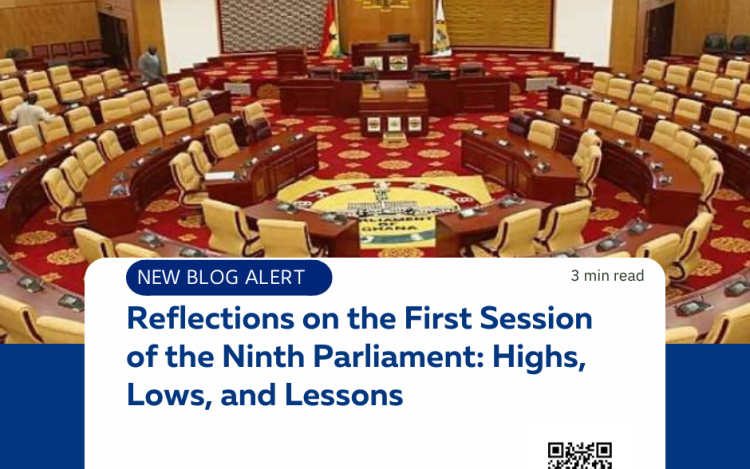
JanBy Freeman Dagadu, Project Officer, ACEPA Introduction The first session of Ghana’s 9th Parliament convened at a time of strained public trust and high expectations for parliamentary relevance. Economic recovery pressures, environmental concerns, and growing demands for accountability placed Parliament at the centre of Ghana’s democratic and development discourse. Beyond formalities and symbolism, first sessions are tone-setting,[…]
21
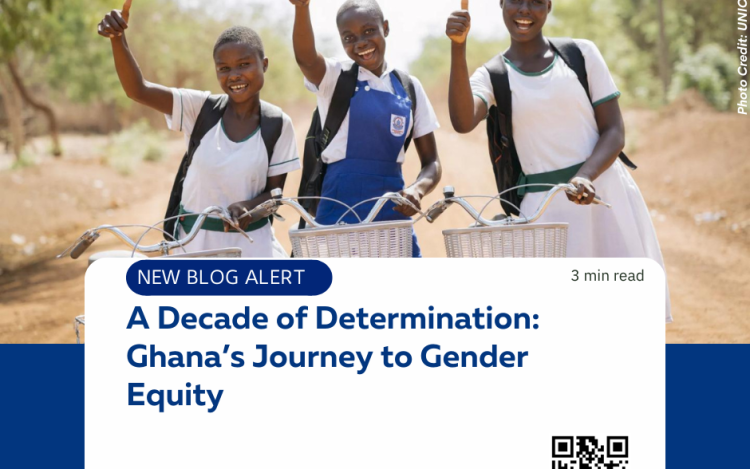
JanFor more than a decade, women’s rights advocates, civil society organizations, and parliamentary champions across Ghana shared a DREAM: a nation where women and men would stand side by side in leadership and decision-making. That vision became a reality in 2024 with the passage of the Affirmative Action (Gender Equity) Act, 2024 (Act 1121)—a historic law that[…]
27
OctBy Benedicta Naa Odarkor Ablateye, Communications Officer, ACEPA October is Cybersecurity Awareness Month – a timely reminder that as technology becomes central to governance, cyber resilience is no longer optional. It is now fundamental to maintaining institutional integrity and public confidence. The Growing Threat to Governance Technology is reshaping how parliaments function, improving efficiency, access, and citizen engagement. Yet,[…]
17
SepBy Benedicta Naa Odarkor Ablateye, Communications Officer, ACEPA Ghana is widely regarded as one of Africa’s most stable democracies, renowned for its regular elections and peaceful transfers of power. At the heart of this democratic journey is Parliament—the people’s voice, which shapes laws and policies that drive national development. Progress in Women’s and Youth Representation Over the[…]
08
SepBy Benedicta Naa Odarkor Ablateye, Communications Officer, ACEPA Not long ago, keeping up with parliamentary proceedings meant tuning into the evening news, waiting for the next day’s newspaper, or physically sitting in the gallery. Today, all it takes is a scroll through your phone. According to the World e-Parliament Report 2024, 98% of parliaments now use social media[…]
01
SepBy Ubeidat Alhassan (EPL Fellow), ACEPA and Rasheed Draman (ED), ACEPA We voted. They took the oath. We expected them in the chamber – debating, lobbying, and working on our behalf. But too often, the seats are empty. This isn’t just about poor attendance; it’s a silent crisis eroding the foundations of Ghana’s democracy. An Empty Seat,[…]

13
AugBy Lilian Bruce, Gender and CSO Advisor, ACEPA Across Africa, the movement to empower women in politics and public life is gaining renewed momentum. While the push for gender equality began decades ago – in Ghana, for example, with pioneers like Madam Evelyn Amarteifio and the founding of the National Federation of Gold Coast Women – the[…]